
Fernando de Noronha
An archipelago where nature, the ocean, and preserved landscapes shape every day of the journey.
Fernando de Noronha brings together crystal-clear beaches, striking rock formations, rich marine life, and preserved landscapes in one of Brazil’s most iconic nature destinations.
About this destination
Fernando de Noronha is a Brazilian archipelago known for its combination of beaches, cliffs, volcanic formations, and rich marine life. A trip here combines relaxation, beaches, and close contact with nature. The ocean is at the heart of the experience, with marine-life observation, diving, and walking among the activities associated with the destination, always respecting conservation rules that apply to the areas visited. Fernando de Noronha is particularly appealing to travelers who enjoy a slower pace, natural scenery, and outdoor experiences. Because some areas are environmentally protected and subject to specific visitation rules, current official guidance should be checked when planning the trip:
Current environmental or stay-related fees; current Marine National Park admission prices and validity; beaches and areas requiring admission or controlled access; booking requirements for specific trails or areas; updated National Park rules; current regulations for diving, trails, and marine activities; local transportation conditions; rainfall seasonality and sea conditions; updated official links.
Practical summary
An island destination focused on nature and beaches, ideal for travelers who value preserved scenery, the ocean, outdoor activities, and marine life. Planning deserves extra attention because some areas have specific visitation and conservation rules.
Best time to visit
Fernando de Noronha can be visited throughout the year, although rainfall, wind, and sea conditions vary by season. In general, drier conditions are more common during much of the second half of the year and into the beginning of the following year, while ocean conditions also change seasonally. The best time depends on the traveler’s priorities, particularly whether the focus is beaches, diving, or waves.
Getting around
Getting around the main island can involve a combination of local public transport, taxis, rental vehicles, transfers, and walking, depending on the area and itinerary. Some beaches, trails, and protected areas require additional access planning. Current fares, routes, rules, and service conditions should be checked before traveling.
Ideal for
Gallery
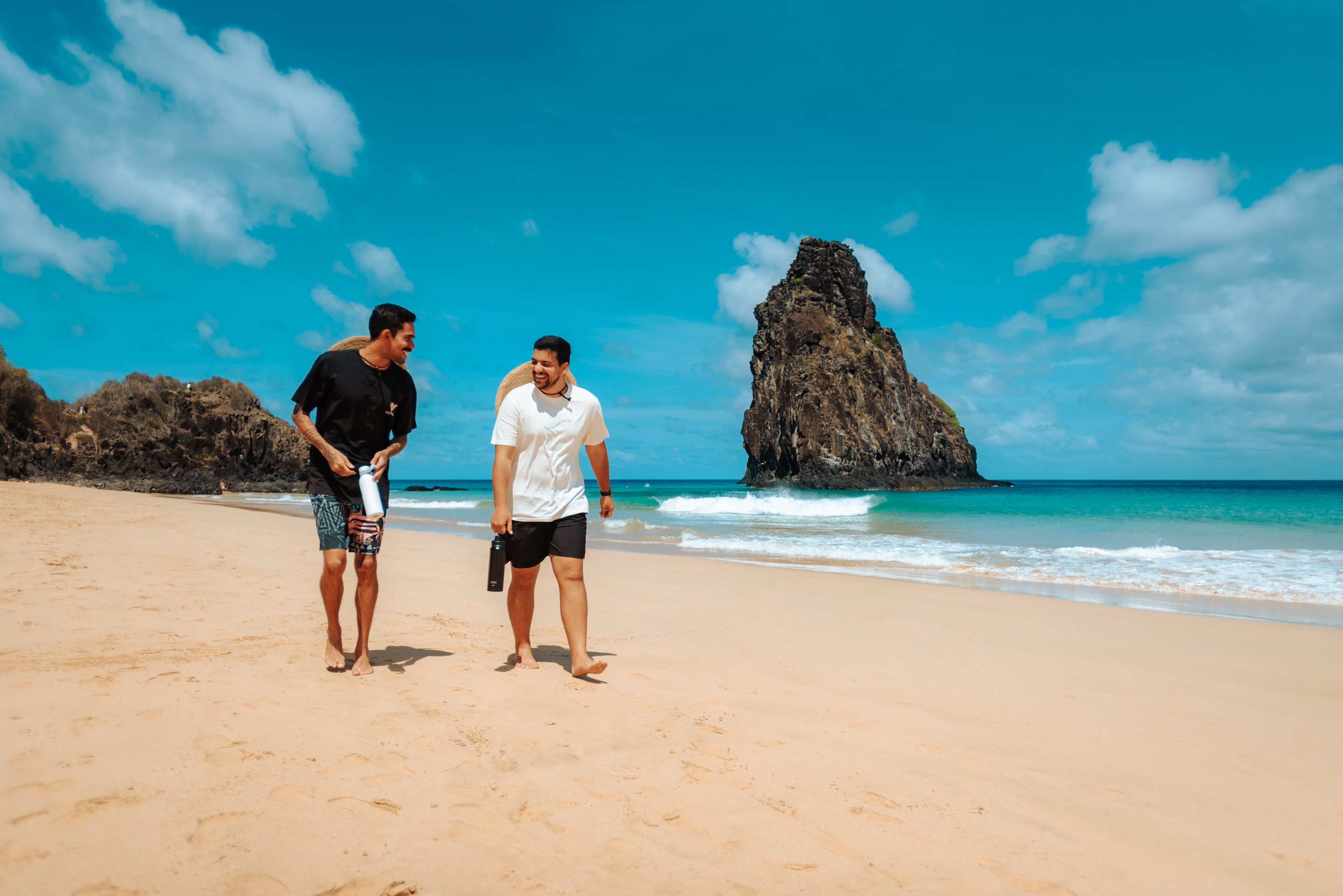
Photo: Luck Turismo
Photo: Luck Turismo
Tours and attractions for this destination are coming soon.